 Teacher's Community
  Support
Why Content Strategy Comes First in Video Wall Projects
- Aug 6, 2025
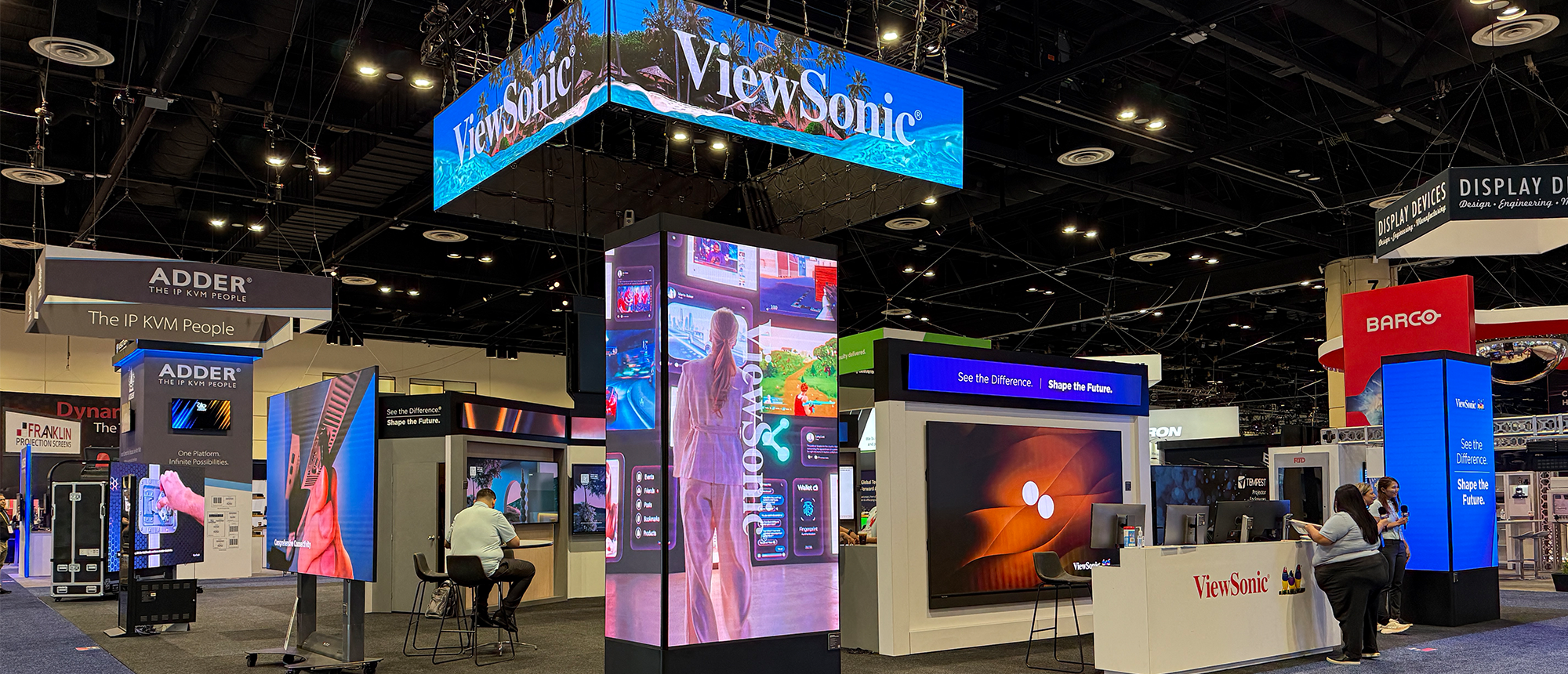
Video walls are powerful tools for communication, branding, and engagement—but only when they’re used with purpose. Too often, organizations and integrators focus on the hardware first, only to realize later that they haven’t planned what will actually go on the screen.
For End Users: Think Beyond the Screen
Before investing in a video wall, ask yourself:
What do you want your audience to see, learn, or feel?
Without a clear content strategy, even the most advanced display can become an expensive slideshow of generic visuals. Planning your content early ensures your investment delivers real value—whether it’s driving sales, sharing information, or enhancing the environment.
For Integrators: Guide the Conversation Early
As an integrator, your role goes beyond installation. Helping clients define their content goals early in the process ensures the system you design supports their vision. That includes:
- Matching resolution and aspect ratio to content needs
- Ensuring signal distribution and playback systems are scalable
- Planning for content updates and user-friendly control
- Designing for serviceability and long-term performance
The Bottom Line
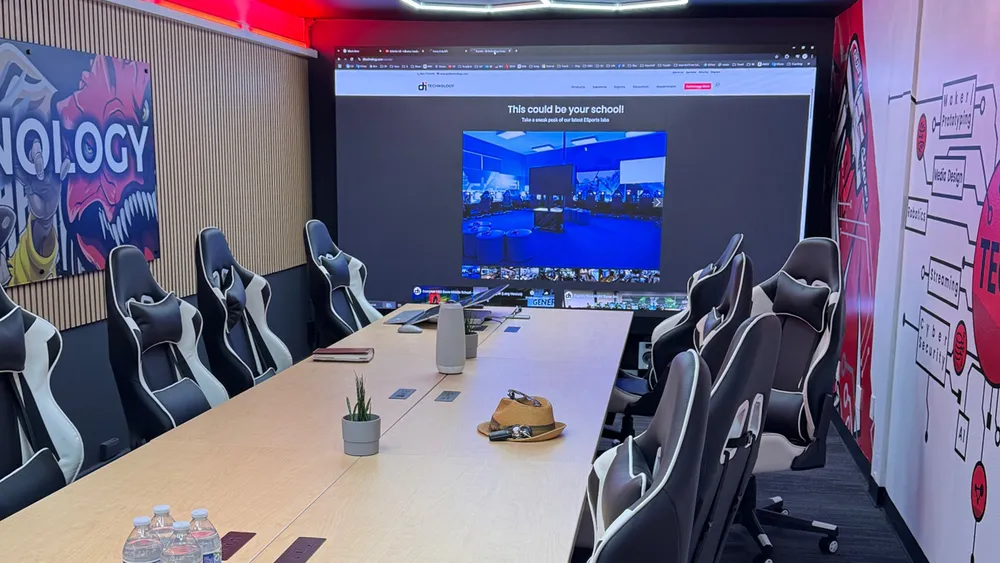
A video wall is only as effective as the content it displays. Whether you're the one using it or the one building it, start with the message. The technology should serve the story—not the other way around.
To learn more about our dvLED solutions, visit our LED Displays page.
Media Contacts:
Joey Lee
JSL Marketing for ViewSonic [U.S.]
E: joey@jslcomm.com
Caroline McGrath
CMM Communications for ViewSonic [Canada]
E: caroline@cmm-communications.com
Nury Lavandier
ViewSonic [Latin America]
E: Nury.Lavandier@viewsonic.com


Login and Registration Form