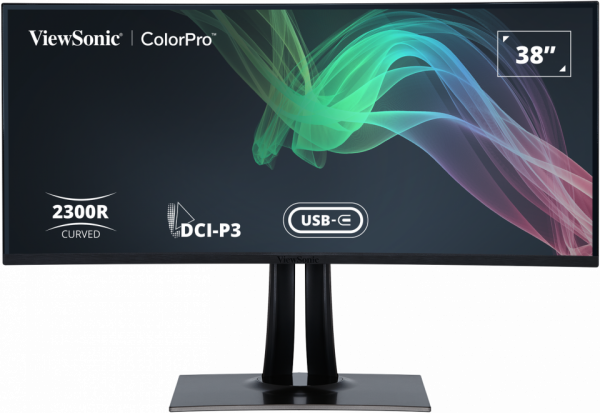
Can You Be Editing Nature Photos Better? Color accuracy and monitor calibration are essential for editing photos of nature
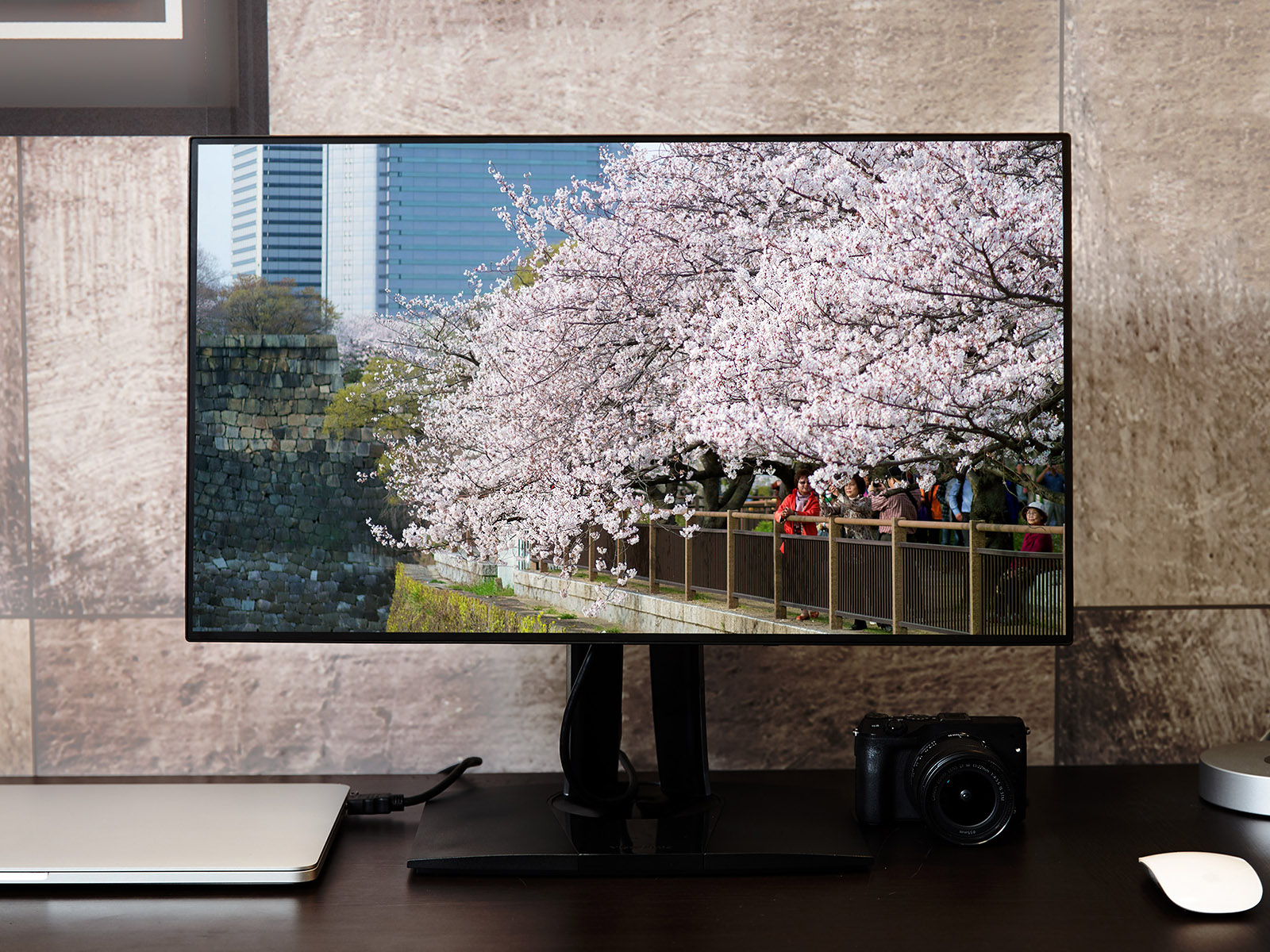
With the arrival of spring comes cherry blossoms season. It could be said that this season, occurring every year around March and April, is the season that some photography enthusiasts long for. Whether using a wide-angle lens to capture the explosion of color from entire groups of blossoming flowers or using a telephoto lens to focus in on a perfect single flower, you can’t help but admire photos of this special time of year. So much so that every year photographers around the world plunk down large sums of money just to travel abroad for the opportunity to capture a few snaps of the blossoms as they unfold.
After getting their fill of shots, photographers will often begin the process of selecting the best shots to take into post processing, adjusting levels to recreate the right environment and mood to make the viewer feel as if they were actually there. It is at this point that your monitor becomes your most trusted ally, a role normally reserved for your favorite camera and lens; the more reliably your colors and levels are displayed, the better the results. With only one opportunity a year to take these shots, it’s in your favor to take extra precautions to make sure your process is running efficiently.
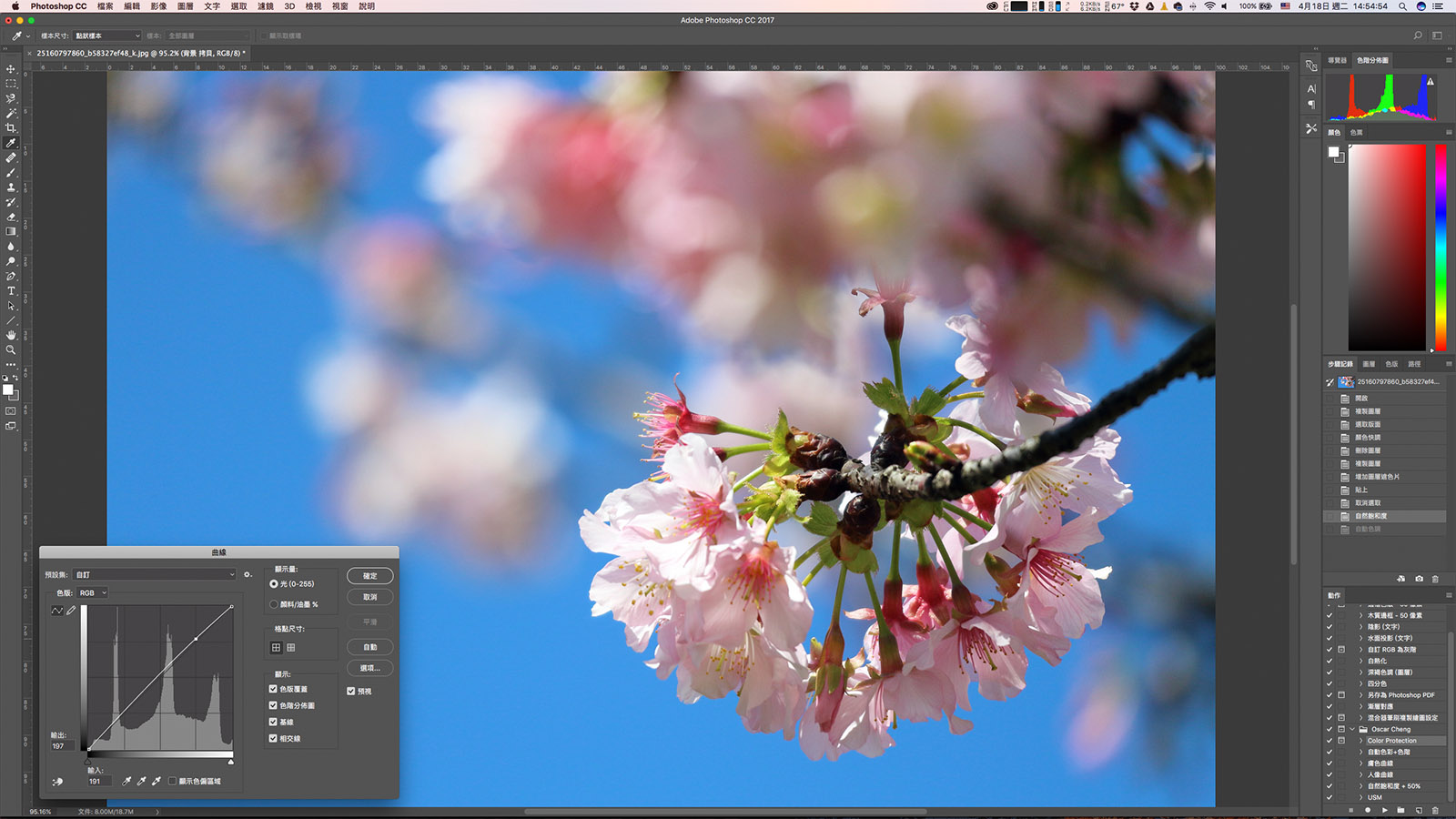 Cherry blossom photography, also known as Sakura photography, by nature requires special attention to be placed on the expression of color. It is for this reason that a professional monitor for editing photos is a very important piece of the editing process.
More often than not, if an image’s characteristics are not reproduced accurately by your monitor, these inconsistencies will become magnified as they carry through into your editing process to produce colors that can end up looking unnatural and heavily modified.
Luckily, companies like ViewSonic produce a line of VP professional monitors for photography that have a plethora of features to help you in the digital darkroom when editing your cherry blossom photos.
The first thing to note is that the entire range of VP models use SuperClear ® IPS Panel Technology, which is the only type of panel to be using for serious photography work due to its vivid color display and wide 178 degree viewing angle. Color gamut coverage on VP monitors starts at 100% sRGB coverage and goes wider depending on the model so you are guaranteed to be able to find a VP monitor with color coverage that matches your creative needs. One of the shining features that VP professional monitors pride themselves on is color accuracy. With a calibrated Delta E < 2 value, which is used to compare the accuracy between the color input into the monitor and the color displayed on the screen, VP series monitors are extremely accurate right out of the box. You can rest assured that the delicate pink and blue hues that you will be seeing are more true-to-life than the average monitor.
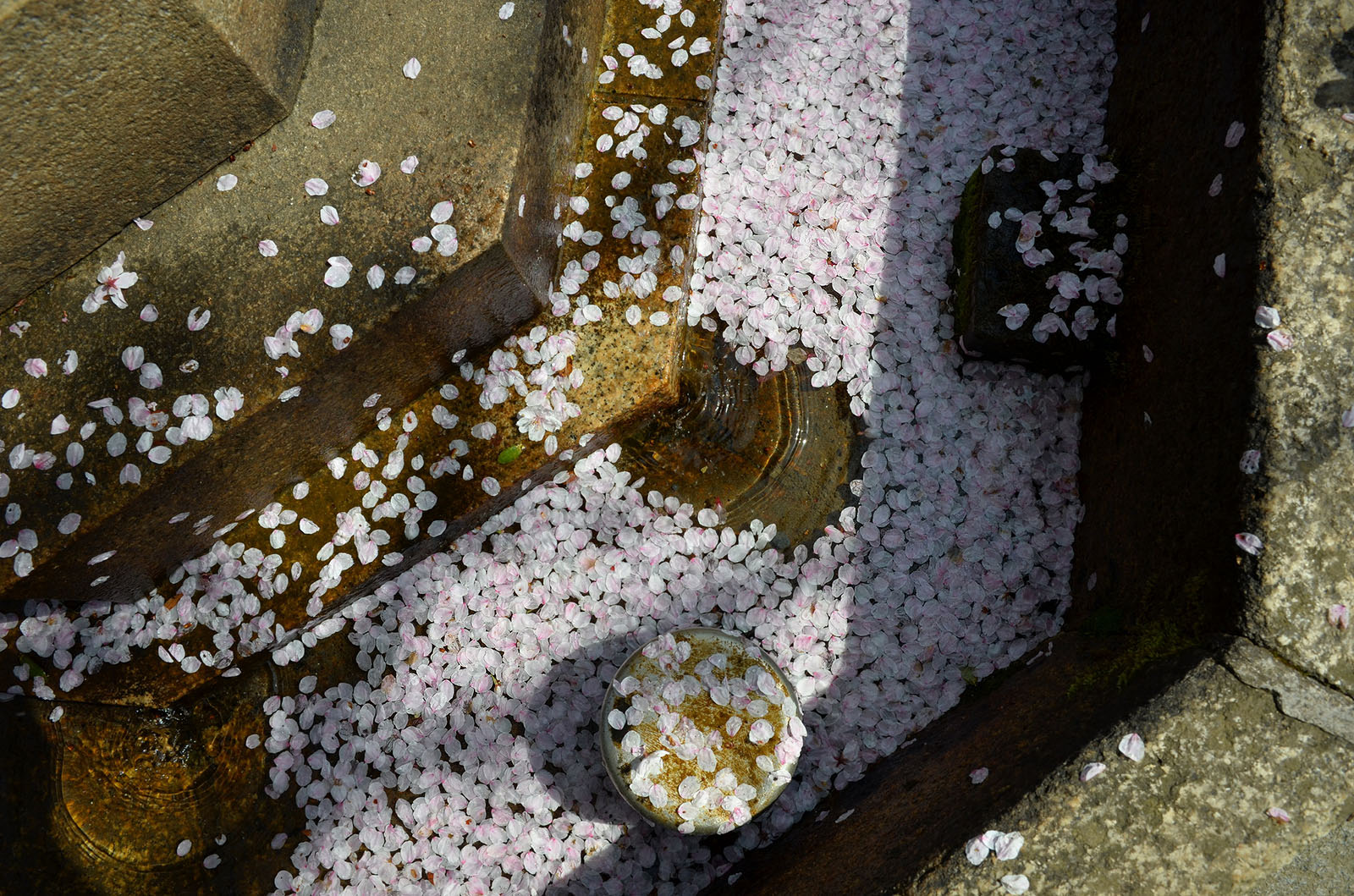
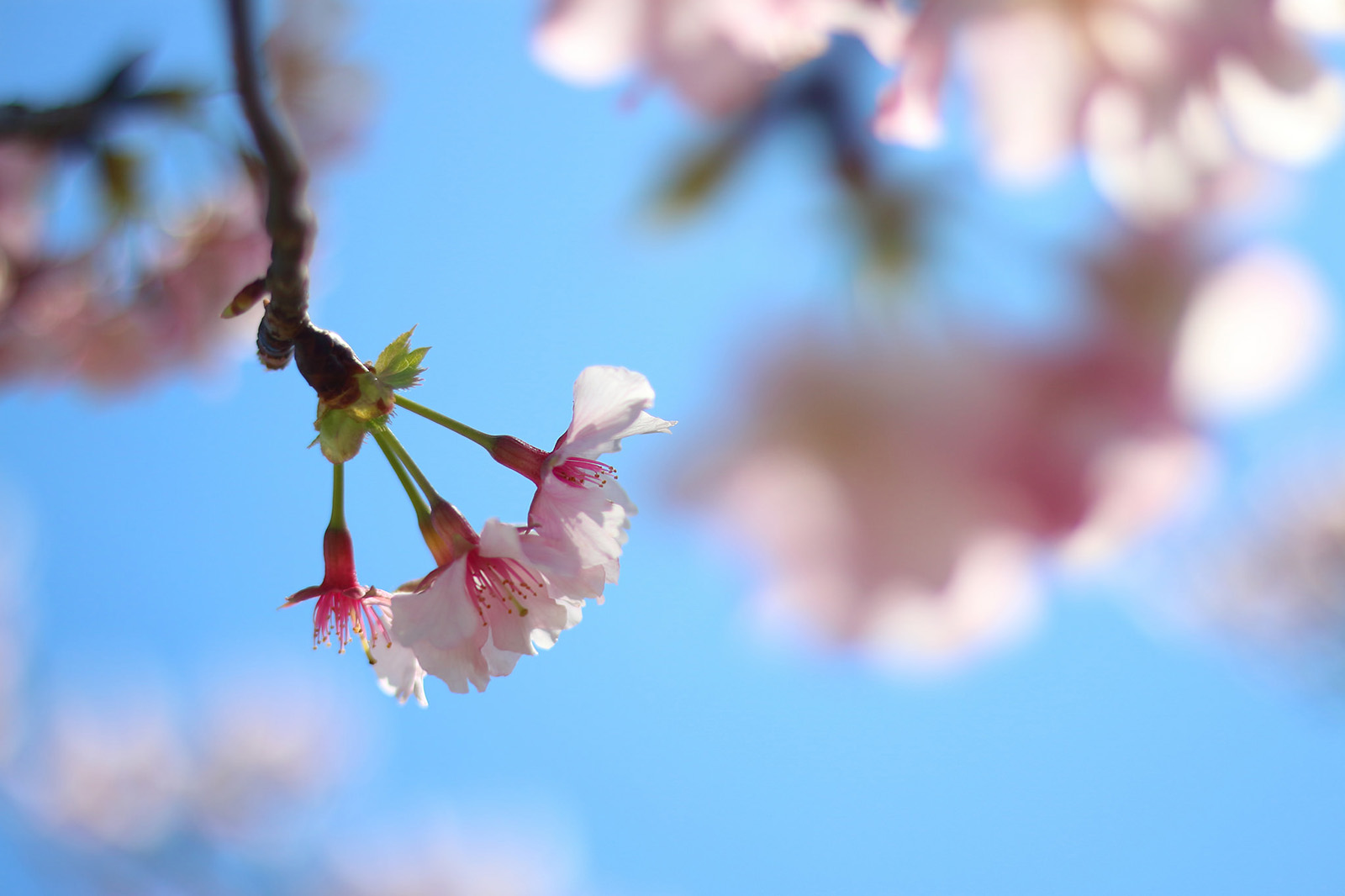 Pic Pink petals soaking up the sunshine, full of natural color depth and detail
When editing photos, 100% sRGB color gamut coverage is the industry standard when it comes to preserving an image’s color integrity. Many people have encountered the dilemma of taking a photo that they had expected would turn out to great. On their camera’s LCD screen the colors looked good, it was exposed correctly with nice lighting and contrast etc., only to find that on their computer screen the image looked flat and lacked depth. Some photographers may think that maybe the camera is to blame. Others may take the issue one step further and accuse camera companies of artificially boosting saturation on the LCD screen as a sly attempt to sell their product. However, is this really the case?
In most cases, the reason behind the inconsistency in photos is not because of a camera LCD screen on steroids, but rather due to a monitor panel that is inferior to your camera’s LCD. Its hard to imagine that the tiny LCD on your DSLR can pack more of a punch that your ol’ reliable monitor but it does happen. In recent years, DSLR’s have been incorporating larger LCD screens with wider sRGB gamut coverage onto their cameras in an attempt to offer a better product than the competition in the highly competitive DSLR market. A sizable 3-inch LCD with close to 100% sRGB color coverage and high brightness seems to be a popular standard for most DSLR’s nowadays. Moreover, with a lack of public awareness about the importance of using a quality monitor in your workflow, it’s only natural that people accuse the camera’s LCD of deceiving them.

How could this happen? Camera LCD screens are advancing while monitor technology grinds to a halt? Well, not exactly. In the past, due the larger size of high performance computers and the high cost of purchasing a monitor with wide color gamut coverage, it was common to encounter photographers that would review and edit their photos on inexpensive monitors or laptop screens in order to cut back on cost. When considering that many inexpensive displays will be composed of a TN panel, inconsistencies between the original photo and the one on your monitor are to be expected. With advancements in technology and a demand for monitors specifically catered to photography, monitors for editing like ViewSonic VP series monitors, have been developed as the evolution of technology has transformed traditional darkrooms into digital darkrooms. These monitors are specifically tailored to work with your camera to display the correct information on screen with features that allow images to outshine those that you see on your camera’s LCD.
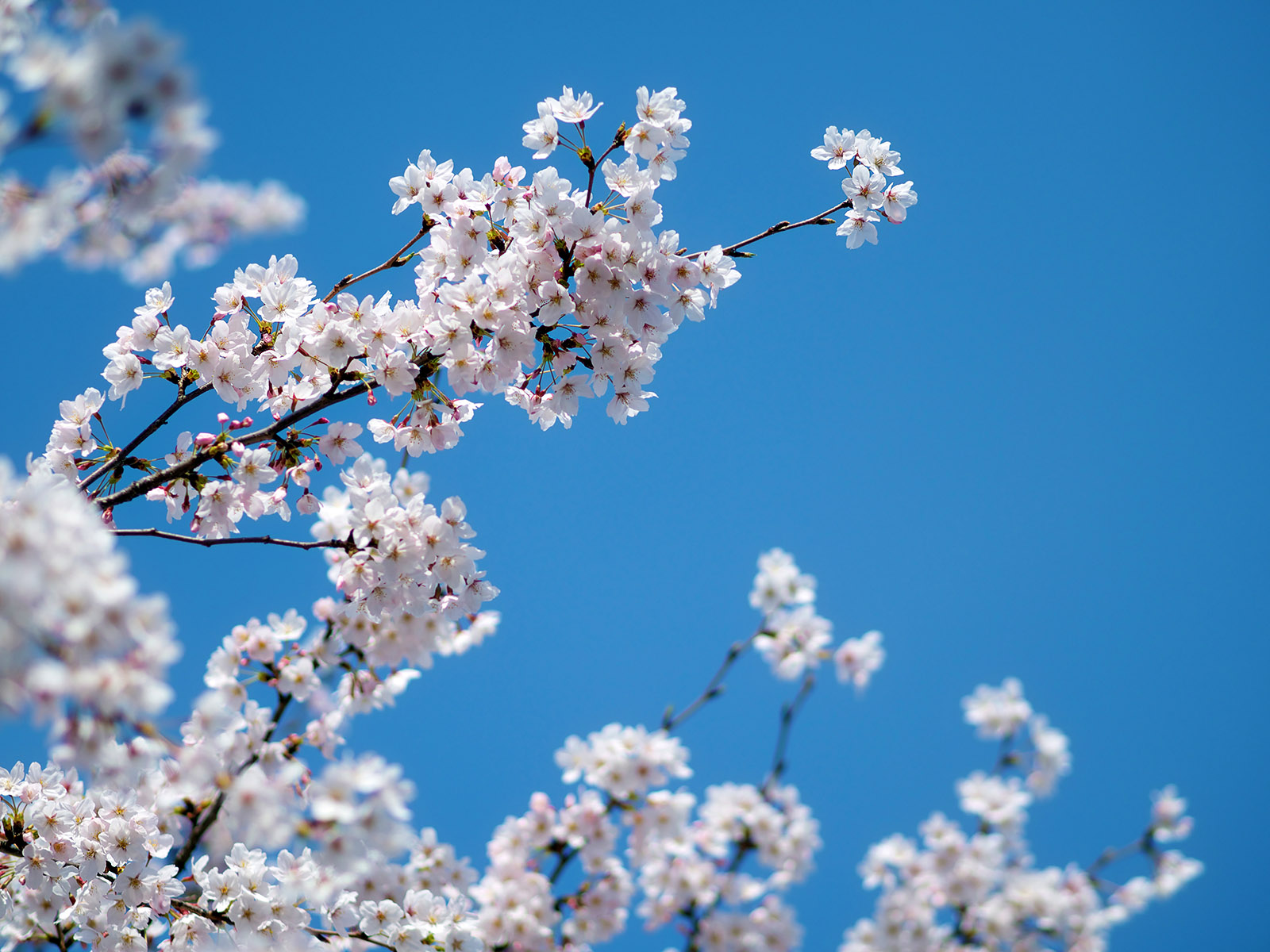 Pic The signature sky blue hue seen in the sky. Higher quality displays will be able to display subtle changes in hue more smoothly.
In addition, VP series monitors and the like utilize a 14-bit LUT and 3D LUT, which allows the monitor to produce a color palette of 4.3 trillion colors. When more colors are produces, differences in hue flow together seamlessly, resulting in smooth gradients that more closely resemble those seen by the naked eye. Those shooting cherry blossoms will find this feature especially helpful, as even the most subtle breaks in gradient due to a lack of displayable colors will be particularly distracting as the sky in the background turns transitions from light blue to dark blue.
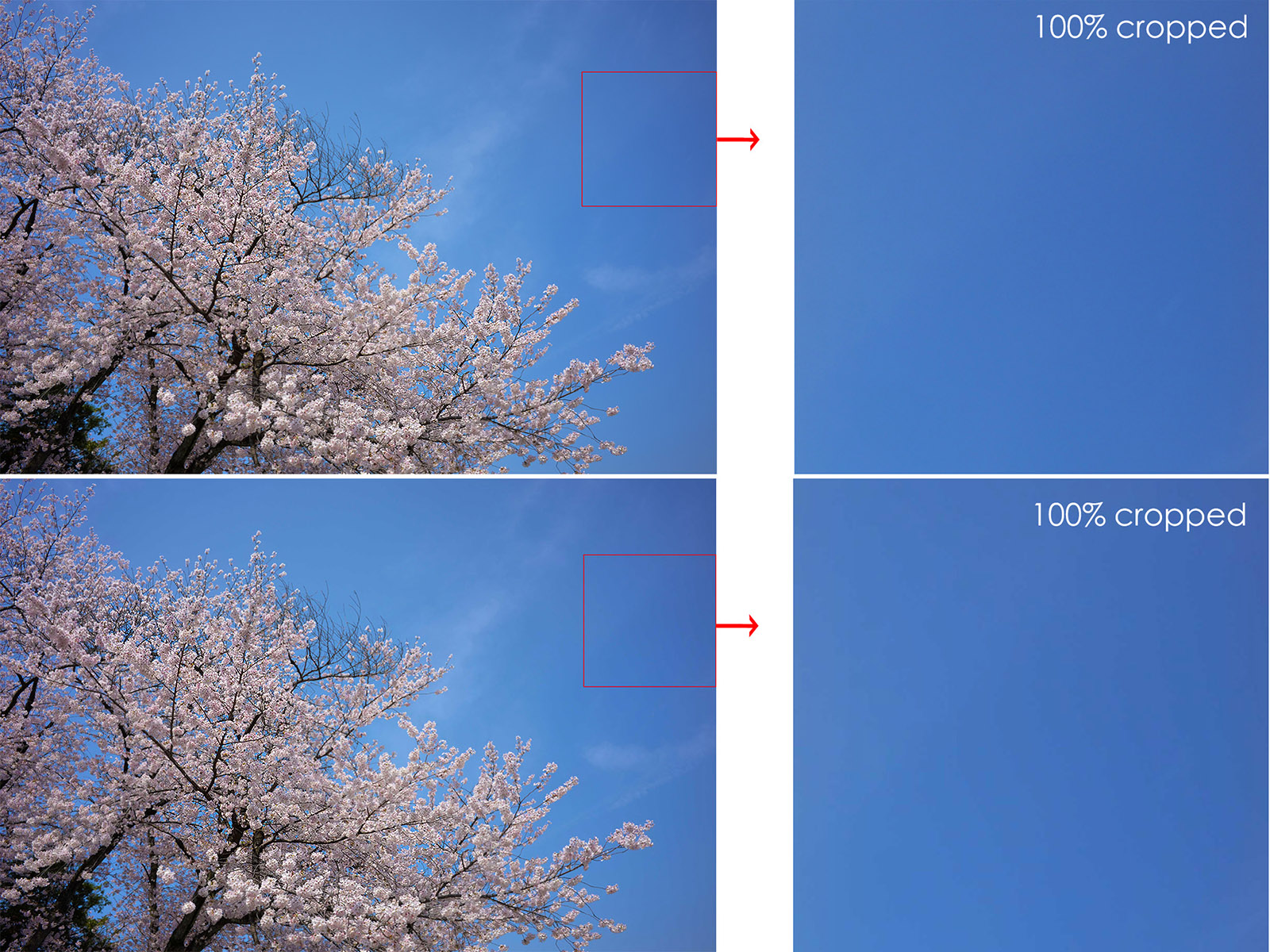 Pic Smooth color transitions in the sky can be seen in the upper photo.
Lower quality displays are prone to the type of banding seen in the photo below.
You may wonder if using a professional monitor to edit on is really worth it, seeing as many users viewing your work online may not be using a monitor that is advanced enough to see color in your photos as you intended. The fact of the matter is that displays like ViewSonic VP series monitors will ensure that the color information being displayed in your images is essentially correct, regardless of where it is being displayed. Moreover, most high-end mobile phones and tablets on the market already have good color gamut coverage, contrast, and brightness as well. It is even becoming more common than ever for mobile phone and tablet makers to pursue the development of color accurate screens as one of their key objectives.
More often than not, using a monitor without the color accuracy necessary for photo editing will result in inconsistencies that spiral out of control. In many cases colors and levels may be unnecessarily adjusted to adapt to a poorly tuned monitor, only to find that these very levels now look unnatural, dull, etc. on most other displays. Photographer Mykii Liu offers an insightful firsthand account of life before and after he started using a monitor that displays colors correctly.
Therefore, when looking into the value of owning a monitor like VP Series professional monitors, it is the peace of mind you get knowing that all the colors you see on the screen are exactly as they should be that stand out. All you need to do is grab your camera bag and head out to capture the vibrant colors of spring, then head home and experience these moments all over again. At the end of the day, photography really is a beautiful thing!
[ Related Posts ]
ViewSonic VP2468:http://color.viewsonic.com/products/VP2468.php
ViewSonic VP2768:http://color.viewsonic.com/products/VP2768.php